Home > Europe > Italy > How to Visit the Colosseum with the Roma Pass
The Roman Colosseum with the Roma Pass

Visiting the Colosseum with the Roma Pass During a Short Rome Trip

The Roman Colosseum was one of the main reasons I purchased the Roma Pass during my first visit to Rome. I only had a short amount of time in the city, so I wanted a simple way to visit the Colosseum, use public transportation, and see as much as I could without wasting time.

I bought the Roma Pass mostly for the Colosseum, but I also used it to visit Ostia Antica. That helped make the pass more worthwhile for my short Rome trip.

At the time of my visit, using the Roma Pass at the Colosseum made the process feel easy. I arrived near the Colosseum, entered the site, and explored the inside of the amphitheater on my own.

This article is based on that personal experience, but I have updated the practical information because the booking process has changed. Today, visitors using the Roma Pass still need to reserve a timed entry slot for the Colosseum.

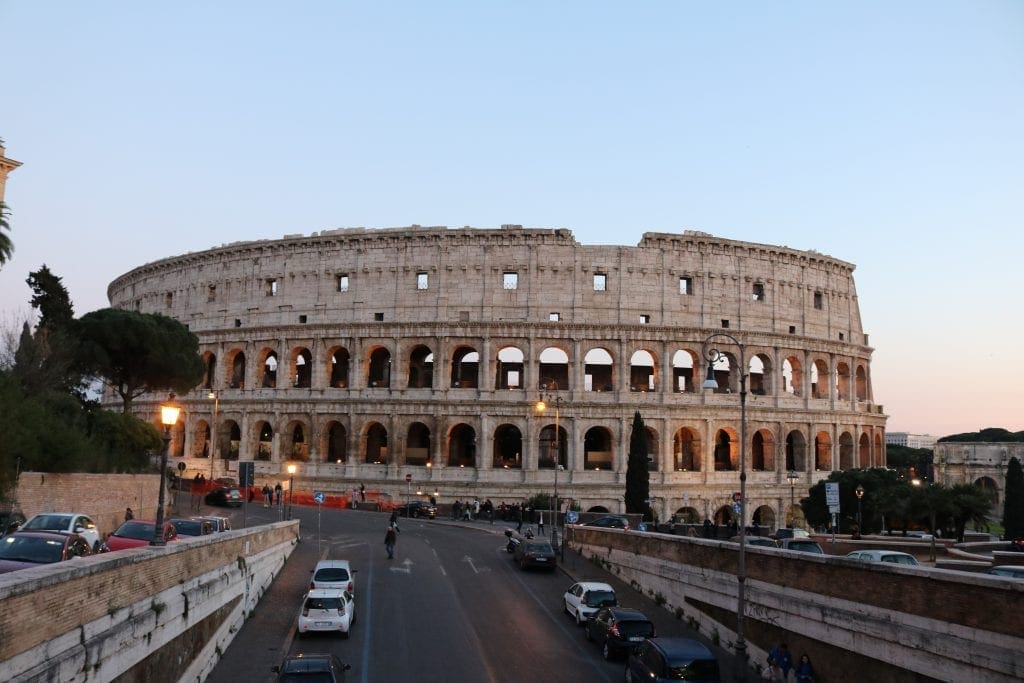
The Roman Colosseum
The Roman Colosseum
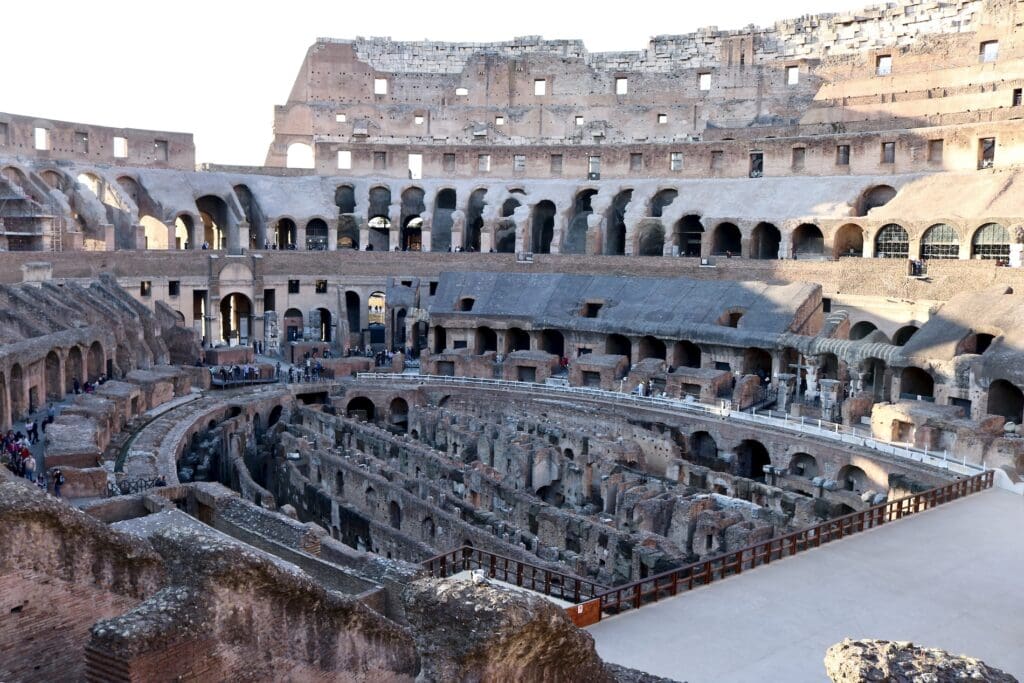
Inside the Roman Colosseum

How to Visit the Colosseum with the Roma Pass - Table of Contents

Disclaimer:  Buzzin’ Around the World strives to provide accurate and up-to-date information based on our research at the time of publication. We respect all applicable laws and fair use principles. If you believe any information is incorrect or violates regulations, please contact us at buzzinaroundtheworld@gmail.com.

Affiliate Links and Reviews:  We use affiliate links to generate income and may receive a commission at no additional cost to you when you use our links. We strive for honest and transparent reviews, even for products which we receive compensation.

Content Creation:  Our content is based on our own travel experiences. All photos are our own unless otherwise stated. We sometimes utilize AI tools to assist with tasks like generating titles, summarizing content, and improving organization.

For more information:  For more information, please click HERE to visit our private policy page. We can be reached at buzzinaroundtheworld@gmail.com

About the Roman Colosseum

The Roman Colosseum, also known as the Flavian Amphitheatre, is located in the center of Rome near the Roman Forum. It is the largest amphitheater ever built and remains one of the most recognizable landmarks in the world.

Construction began under Emperor Vespasian around 70–72 CE, and the Colosseum was officially opened under Emperor Titus in 80 CE. In ancient Rome, the amphitheater was used for gladiator fights, animal hunts, executions, and other public spectacles.

Today, the Colosseum is one of Rome’s top tourist attractions and part of the larger archaeological area that also includes the Roman Forum and Palatine Hill. It is easy to reach by public transportation because the Colosseo Metro Station is located directly across from the site.

The Colosseum has also been named one of the New 7 Wonders of the World, which adds to its popularity with visitors from around the world.

The Roman Colosseum
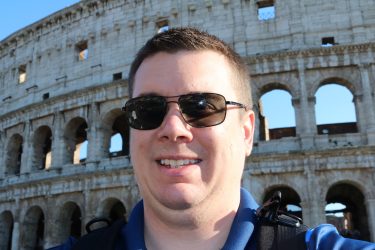
My Initial View of the Roman Colosseum
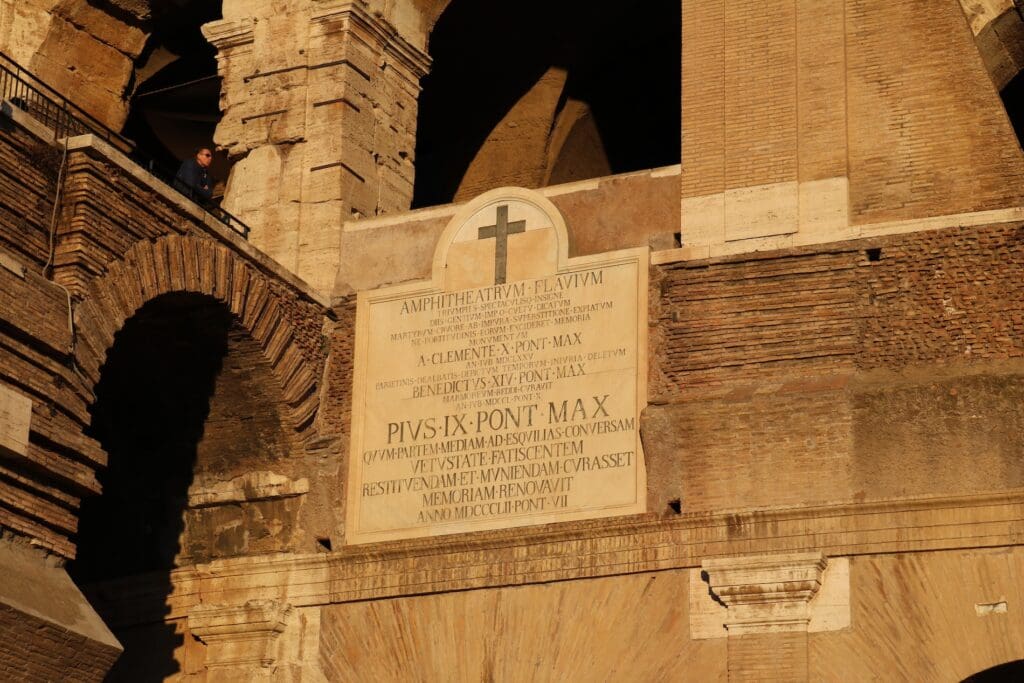
An Inscription Inside the Roman Colosseum Using the Name “Amphitheatrum Flavium”
An Inscription Using the Name “Amphitheatrum Flavium”

How to Visit the Colosseum with the Roma Pass

As of my latest update, visiting the Colosseum with the Roma Pass requires an online reservation. The Roma Pass can be used for normal Colosseum access, but visitors still need to book a timed entry slot before arriving. The most important step today is to reserve timed entry for the Colosseum with the Roma Pass before arriving.

Roma Pass holders can make the Colosseum reservation online through the official Colosseum ticketing website. According to the official Roma Pass help page, the reservation can be made from your home country, even if you do not have the physical card yet. Reservations can be made up to one month in advance.

For the standard Colosseum/Roman Forum/Palatine ticket, the official Colosseum site lists admission to the Colosseum at the booked time, along with access to the Roman Forum-Palatine archaeological area and Imperial Fora. Ticket sales with the required Colosseum time-slot reservation open 30 days before the visit date.

As of my latest update, the official Colosseum ticket page lists the Reduced Roma Pass price at €11.50 for the 24-hour Colosseum, Roman Forum, and Palatine ticket. This is different from my original visit, when using the Roma Pass felt more like simple included entry.

For that reason, I would not buy the Roma Pass today and assume I could walk straight into the Colosseum. I would reserve the Colosseum time slot online first, then use the pass as part of a larger Rome plan that includes public transportation and at least one other attraction.

Entering the Roman Colosseum
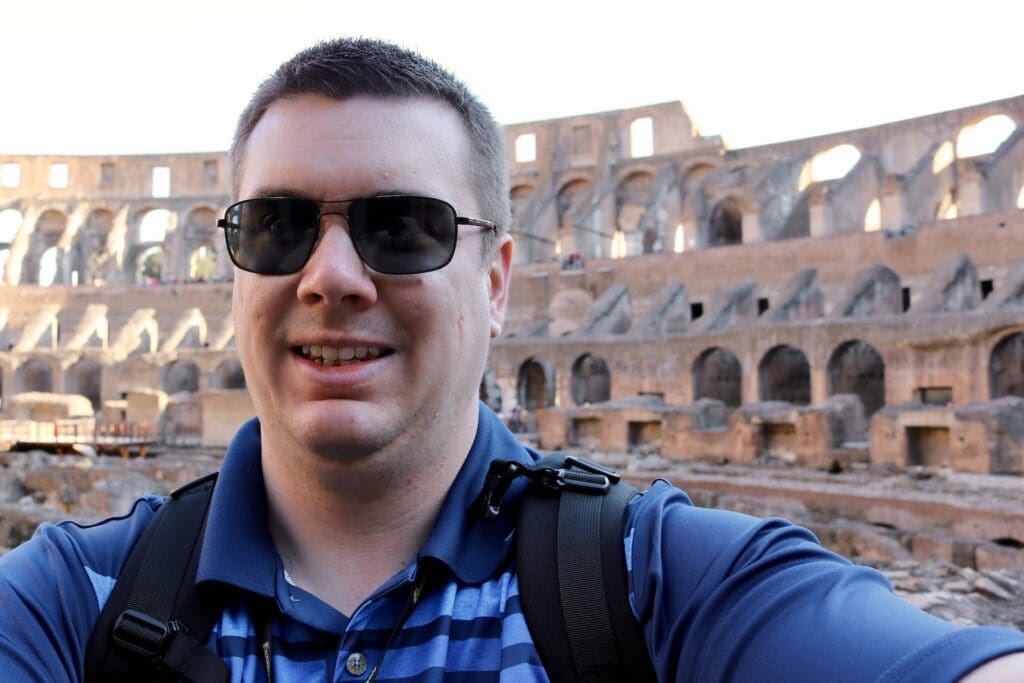
A Selfie Inside the Roman Colosseum

Arriving at the Colosseum from Colosseo Metro Station

After exiting the Colosseo Metro Station, I walked toward the Colosseum. This is one of the easiest parts of visiting because the metro stop is located right near the amphitheater. From the station, the Colosseum is immediately visible. Even though I had seen photos of it many times before, it was still impressive to see in person for the first time.

To get to the entrance area, I walked down a set of steps because the entry point was below the surrounding road level. Behind and around the Colosseum are additional ruins connected to ancient Rome, including parts of the Roman Forum area.

The Roman Colosseum
Colosseo Metro Station Is the Gateway to the Colosseum
Informational Sign Near the Entrance of the Colosseum

My Experience Inside the Colosseum

The Colosseum itself is the main attraction. I spent more than an hour walking around, looking at the structure from different angles, and trying to take in the scale of the amphitheater.

During my visit, there were two main levels open for general visitors. The upper level gave me a wider view of the Colosseum, while the lower level provided a better look into the center of the arena area..

Inside the Roman Colosseum
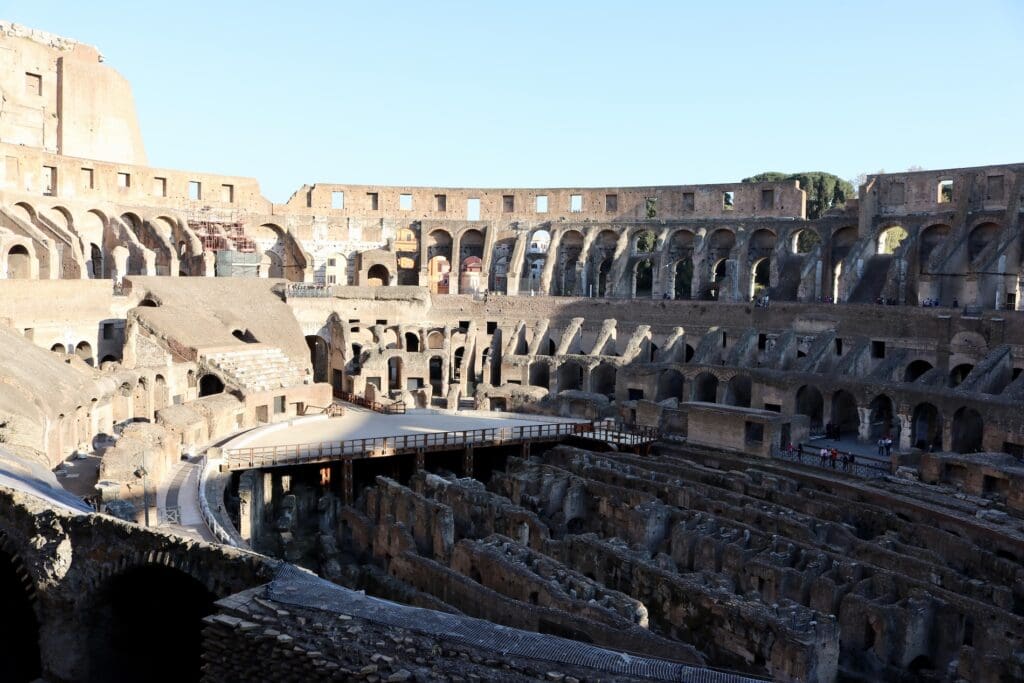
Inside the Colosseum
The Roman Colosseum
Another View of the Roman Colosseum

The Hypogeum

One of the most interesting parts of the Colosseum is the hypogeum, the underground area below the arena floor. In ancient times, this area was used to hold animals, stage equipment, and people involved in the events. Today, because the arena floor is mostly gone, visitors can look down into the hypogeum from above.

Seeing the hypogeum helped me better understand how complex the Colosseum was. It was not just a large stone stadium. It was an engineered entertainment venue with underground spaces, corridors, and systems that supported the events above.

There were also several relics and displays inside the Colosseum, including old signage, columns, pottery, a seat, and broken statues. These smaller details helped make the visit more interesting because they showed the Colosseum as a real public space, not just a famous ruin.

To visit restricted areas, such as the underground or arena floor, visitors need a ticket type that includes those areas. Some of those options are guided tours

Roman Colosseum Hypogeum
View of the Hypogeum
View of the Hypogeum from the Lower Observation Area - Roman Colosseum
The Hypogeum from the Lower Observation Area

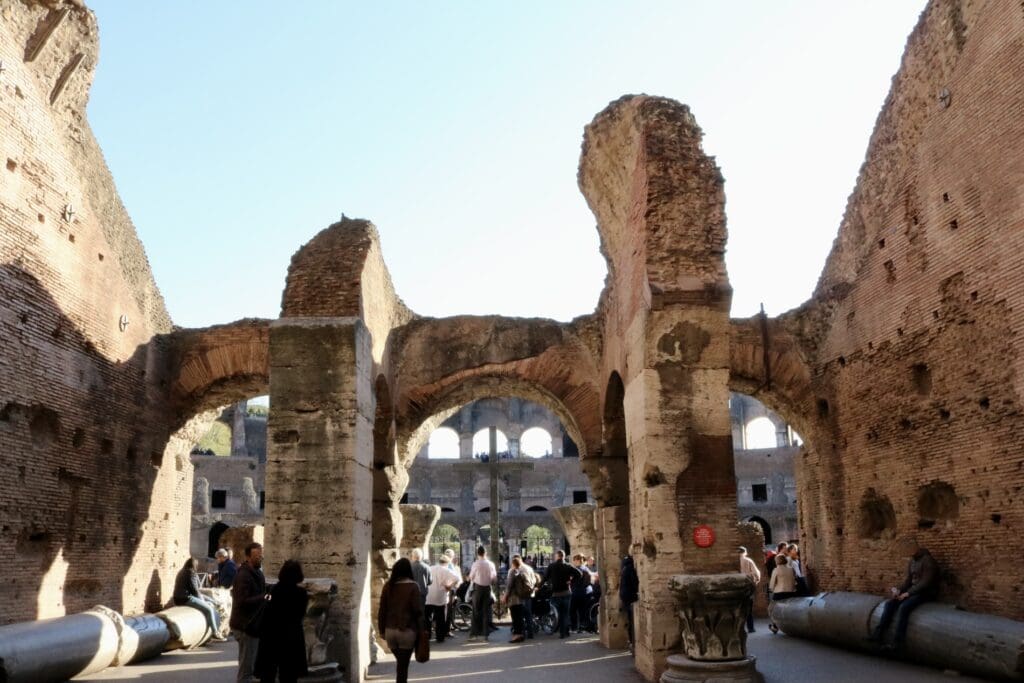
The Cross Inside the Colosseum

Inside the Colosseum, I also saw the cross connected to the memory of Christian martyrs. This feature stood out because it shows how the meaning of the Colosseum has changed over time.

The Colosseum was once a place of public spectacle and violence. Today, it is also treated as a place of memory, history, and reflection.

Rather than focusing too much on specific claims about executions inside the amphitheater, I think the cross is best understood as a modern symbol of remembrance. It adds another layer to the visit and shows how the Colosseum is viewed differently today than it was in ancient Rome.

The Cross in the Roman Colosseum
Another View of the Cross Inside the Roman Colosseum

What I Could See from the Colosseum

I did not fully tour the Roman Forum or Palatine Hill during this visit. I only viewed them from the Colosseum.

From inside the Colosseum, I could see parts of the Roman Forum, including the Arch of Titus. Because I only had a short visit to Rome, I focused my time on the Colosseum instead of walking through the full archaeological area.

That is one thing I would do differently on a future visit. The Colosseum is the most famous site in the area, but it is only one part of ancient Rome

Arch of Titus Seen from the Colosseum
Arch of Titus from the Colosseum
Looking Out into the Forum from the Colosseum

How Much Time I Spent at the Colosseum

I spent around two hours at the Colosseum, which felt like enough time for my short Rome itinerary. I did not see every possible section, and I did not take a guided tour, but I felt like I was able to experience the Colosseum in a meaningful way.

If you want to visit the Colosseum, Roman Forum, and Palatine Hill together, you should plan for more time. Many visitors combine all three because they are connected historically and geographically.

For my trip, I had limited time in Rome, so I focused on the Colosseum and viewed the Forum from above rather than walking through the entire archaeological area.

A Surviving Stone Inscription on Display Inside the Roman Colosseum.
A Surviving Stone Inscription on Display Inside the Roman Colosseum
Broken Pottery on Display at the Roman Colosseum
Broken Pottery

My Biggest Colosseum Regret: Visiting Late in the Afternoon

My only real regret was visiting the Colosseum late in the afternoon. The angle of the sun made it difficult to get good photos from every direction. Some areas were bright, while others were in heavy shadow. That made photography more challenging than I expected.

If I were visiting again, I would try to go earlier in the day. Morning light would likely make it easier to photograph the outside of the Colosseum and the views from inside. This is a small detail, but it matters if you care about travel photography. The Colosseum is one of those places where the time of day can make a big difference.

Shadows Obstructing My Photo of the Roman Colosseum
I Had Difficulty Photographing Due to the Shadows

Is the Roma Pass Worth It for the Colosseum?

For my trip, the Roma Pass was worth it because I used it for the Colosseum, public transportation, and Ostia Antica. I was only in Rome for a short time, so having one pass helped simplify my visit. However, I would not automatically tell everyone to buy the Roma Pass just for the Colosseum.

The Roma Pass makes the most sense if you are visiting multiple included attractions, using Rome’s public transportation, and planning a short trip where convenience matters. It may not be worth it if you only want to visit the Colosseum or if a regular timed-entry ticket is cheaper and easier for your plans.

For me, the pass worked because I used it for more than one site. If I were only visiting the Colosseum, I would compare the regular Colosseum ticket, the Roma Pass ticket, and guided tour options before deciding.

Using the Roma Pass for Ostia Antica Too

One reason the Roma Pass worked well for me was that I also used it for Ostia Antica.

Ostia Antica is an ancient Roman port city located outside central Rome. It is much less crowded than the Colosseum and gives visitors a different look at Roman ruins.

For me, pairing the Colosseum with Ostia Antica made sense. The Colosseum showed the scale and drama of ancient Rome, while Ostia Antica gave me a better idea of what a Roman city looked like.

If you are already planning to use the Roma Pass for the Colosseum, I think Ostia Antica is worth considering as a second major site. It also gives you a good comparison between one of Rome’s busiest attractions and one of its quieter ancient sites.

You can read more about that visit here: Roman Ruins of Ostia Antica.

A Great View from the Theater at Ostia Antica
Roman Ruins of Ostia Antica
A View from the Top of the Theater at Ostia Antica
Theater at Ostia Antica

Roman Colosseum Tours

The Roman Colosseum can be visited in many different ways. Some visitors prefer to self-tour, like I did. I enjoy moving at my own pace and taking time for photos.

Other visitors may prefer to spend part of the day with a guide who can explain the history of the Colosseum, Roman Forum, and Palatine Hill. This can be especially helpful if it is your first time in Rome. Finally, some travelers may want to visit the Colosseum as part of a larger Rome tour. This can be a good option if you have limited time and want someone else to handle the planning.

Below, I have linked several Colosseum tour options. These tours vary in price, length, and access. Some focus on the basic Colosseum visit, while others include additional areas or nearby Roman sites.

I am an affiliate partner of Viator. If you book a tour using one of the links below, I will receive a small commission at no additional cost to you. I would greatly appreciate it if you would consider booking using one of my links.

Final Thoughts: Would I Use the Roma Pass for the Colosseum Again?

I was glad I used the Roma Pass for the Colosseum during my trip. It made sense for the way I was traveling because I had a short visit to Rome, used public transportation, and also visited Ostia Antica.

That said, I would approach it differently today. I would reserve the Colosseum time slot online first, compare the cost of the Roma Pass with regular tickets, and make sure the pass still made sense for the rest of my Rome plans.

For my trip, the Roma Pass worked well. For future visitors, I think it can still be useful, but it is best when used for more than just the Colosseum.

If you are visiting Rome for a short time and plan to see more than one included attraction, the Roma Pass may be worth considering. If you only want to visit the Colosseum, a regular timed-entry ticket or guided tour may be the easier option.

Affiliate Partner of the Month – Fourthwall

Fourthwall powers our brand-new Buzzin’ Around the World Merch Shop. Pick up a tee, hoodie, or sticker. All profits will help me continue to run this site and deliver great content!

Buzzin Around the World's Merch Shop

Want to Launch Your Own Merch Line? 

Scroll to the bottom of our Fourthwall page and tap “Start Your Own Store.” That’s a referral link—if you sign up, Fourthwall rewards me with store credit I can use to buy more gear (at no extra cost to you). We only recommend tools we use and love.

Earn $200 in Travel Rewards with the Capital One VentureOne Rewards Card

The Capital One VentureOne Rewards Card is one of the few rewards cards that does not charge an annual fee. Cardholders can earn 1.25 points for every dollar spent while enjoying 0% APR for 15 months.

Currently, Capital One is offering a signup bonus of 20,000 points (worth $200 in travel rewards) when the cardholder spends $500 in the first three months. If you are interested in this card, I would appreciate it if you would sign up with the link below, as I earn a referral bonus of 10,000 points. Those points are worth $100 in travel rewards and will help me continue to bring great content to Buzzin’ Around the World.

Once again, the Capital One VentureOne card is one of the few reward cards without an annual fee and is the perfect card for someone who is just starting to get into the travel points game.

Related Content: